The Next Step Forward In Animal Welfare – A Vision Circle Publication
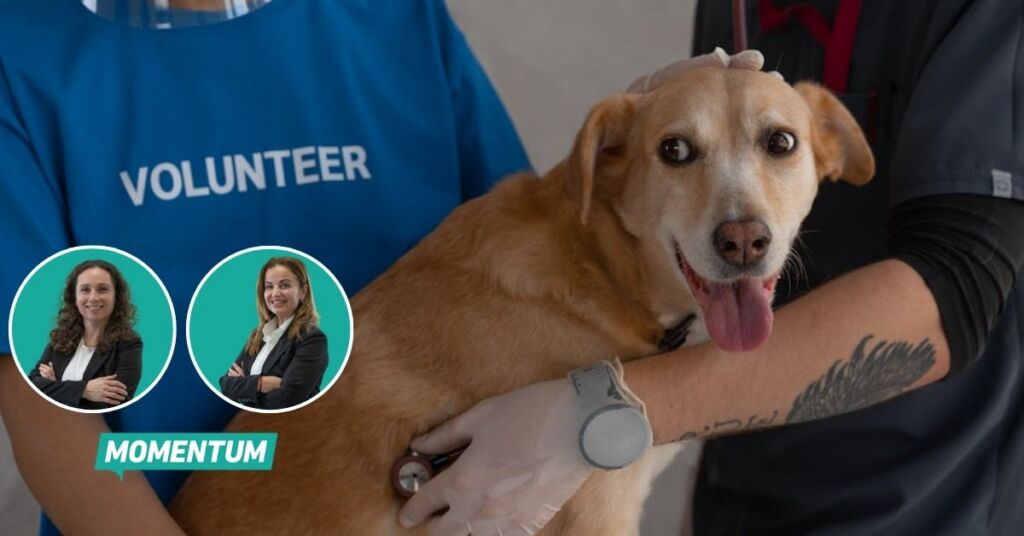
Malta’s progress in animal welfare is slow because we are stuck in reactive mode. Although there are laws governing certain matters, the authorities remain passive. The state does not enforce animal cruelty or neglect in a manner that protects animals or deters abuse. What we currently have is a system that intervenes late, reluctantly, and inconsistently. Animals suffer first, reports are filed, time passes, then we get public anger, and only then does enforcement “miraculously” accelerate.
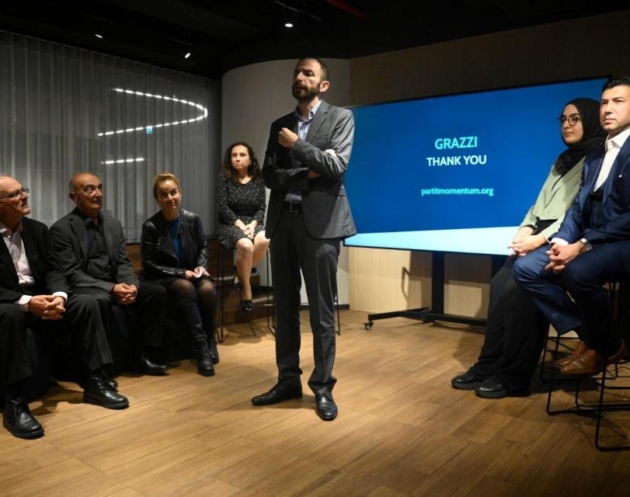
Last October, Momentum held a Vision Circle on Animal Rights and Dignity at the Salina Reserve. These discussions have resulted in several proposals. This article was orginally published by Momentum Committee Members Natasha Azzopardi and Katya Compagno on LovinMalta.
Critical Need for an Independent Ombudsman
The shortcomings in animal protection start at the top. Animal welfare in Malta is governed through a fragmented structure that diffuses responsibility and shields institutions from accountability. No single authority is clearly answerable for animals left in neglectful or abusive conditions. And enforcement authorities are understaffed and underpowered, left to operate within a framework that tolerates delay and discretion. Warnings replace penalties. Breaches are “followed up” rather than stopped. Repeat offenders are rarely treated as such.
We propose transforming the current government-appointed Commissioner for Animal Welfare role into an Animal Protection Ombudsman to a powerful, independent regulatory body modelled on best international practices.
Currently, the Commissioner for Animal Welfare is appointed directly by the Minister, making the role vulnerable to the whims of changing political leadership. Moreover, the Commissioner is lacking executive authority.
We propose that an Ombudsman be appointed for a fixed term and be directly answerable to Parliament. This appointment would shield the ombudsman’s role from any political pressure and ensure consistent enforcement. This Ombudsman must be granted executive powers to enforce the law, inspired by the Norwegian Animal Welfare Act (2009). Such powers are to be vested in direct enforcement orders, including the issuance of immediate administrative fines, rapid confiscation orders, and emergency directives, and to ensure that essential strategies, like mass neutering and education campaigns, survive ministerial tenure. Furthermore, they ought to be the sole authority for whistleblower protection in animal cases, ensuring reports lead to real action and that, where harm is brewing, there is no complicity in delaying enforcement.
Dedicated Animal Protection Magistrate
Even where enforcement reaches the courts, as the law currently stands, the system continues to fail. Sentencing in animal cruelty cases is inconsistent and is frequently disproportionate to the harm inflicted. Severe and prolonged cruelty is often met with penalties that are inconsequential to the offender. This inconsistency strips the law of its deterrent effect, and the occasional severe sentence exposes that sentencing depends on public outrage rather than legal principle.
For example, while the reported case involving the Sliema cat killer at first resulted in a two-year effective prison sentence, equally severe, prolonged cruelty such as large-scale neglect or hoarding often receives only minimal fines or suspended sentences. This demonstrates that sentencing is too often driven by the immediate emotional impact of the crime and social media influence. However, even this landmark sentence was recently revoked on a technicality and sent back for re-sentencing. This only underscores the need for a system that matches the punishment to the gravity of the abuse.
We propose the establishment of a dedicated Animal Protection Magistrate with exclusive subject-matter jurisdiction. Malta already accepts specialisation where complexity demands it. Animal welfare cases involve technical, evidential, and ethical considerations that are routinely sidelined in a generalist setting.
While Malta’s judiciary has traditionally been composed of generalist magistrates, the tide is turning toward specialisation to meet the complexity of modern law. We have already seen this evolution with the Juvenile Court and the Family Court, and a dedicated cohort of Inquiring Magistrates[a]. These shifts prove that specialised expertise leads to more efficient and consistent justice. Animal cruelty cases often require deep insight into veterinary, behavioural, and ethical evidence, expertise that a generalist court may not always prioritise.
To support this role, we suggest that this judicial appointment be underpinned by mandatory sentencing guidelines. We propose that Malta drafts this legislation on the lines of Spain’s Law on Animal Rights, e.g., mandating training for certain dog breeds and adopting the concept of “Reverse Onus” for illegal cosmetic procedures.
Urgent Frontline Reform
No legal framework survives without enforcement. The Animal Welfare Directorate (AWD) is not failing due to a lack of goodwill, but because it has been left without the resources necessary to function. We propose a major investment in the AWD focused on three key areas:
- 24/7 Response Capacity: The AWD must receive a major budget increase to hire more inspectors and operate a reliable 24/7 rapid-response team.
- Cross-Agency Training: Police and LESA must receive specialised training in animal welfare and enforcement protocols.
- Basic Operational Equipment: All frontline authorities must be equipped with universal access to microchip scanners to accelerate medical aid and the enforcement of ownership responsibility.
We also mandate a legal obligation for drivers to stop, report, and provide assistance when an animal is struck or is in peril. This proposal is being put forward in line with Swedish law (Viltolycka), which imposes a mandatory criminal duty to report collisions to the police.
As long as animal cruelty continues to be deemed and handled as a secondary offence, animal suffering in Malta will continue unscathed. Momentum believes that these comprehensive proposals offer a bold vision to modernise Malta’s relationship with animals. Moving beyond reactive management requires political courage to build a proactive system that truly reflects the compassion of the Maltese people.
There is hope, you can help!
Join Momentum and build a better Malta. Volunteer, donate, or subscribe today!