
“Malta must seriously move towards a circular economy”, Momentum says.
Everyone in Malta talks about waste. The neighbours who put out the wrong bag on the wrong night, to the smell from rubbish that has been left out for too long. What nobody really talks about is why we have so much of it in the first place, and why a country this small has signed up to an economic model that simply assumes we will always have somewhere to put what we throw away.
We do not, of course. In 2024 alone, Malta generated 353,525 tonnes of municipal waste, around six per cent more than the year before and roughly 621 kilograms for every resident, one of the highest figures anywhere in the European Union and more than a hundred kilograms above the EU average. Almost eight out of every ten tonnes ended up buried in landfill. Recycling crept up by a few percentage points and still sits at less than a fifth of what we throw away, against a binding EU target of 55 per cent that we have already missed.
Incineration is being sold as the answer, while it is conveniently ignored that the people most opposed to it are usually the ones who would have to live next to it. The rubbish does not stop at packaging. Food, according to Eurostat, is wasted at a rate of around 162 kilograms per person each year, the fifth highest figure in the EU, because nobody has bothered to design a serious system to catch it before it gets there.
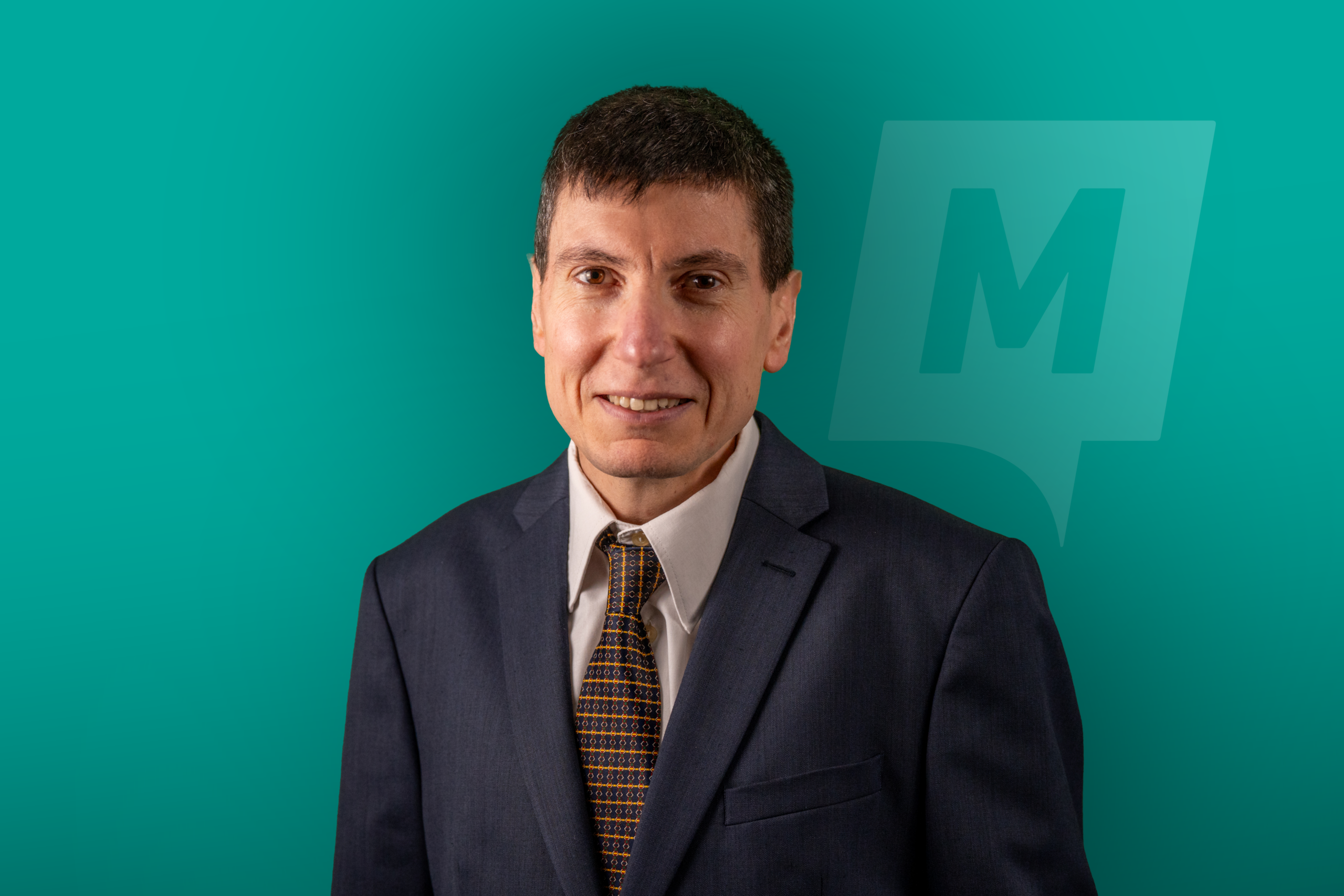
Dr Alastair Farrugia, Momentum candidate on Districts 4 and 5, said that there is a different way of organising all of this – the circular economy is a recognition that, in a world of finite resources, an economy that treats every product as something to be made, used briefly, and then thrown away is an economy that eventually runs out of room. The European Union has built an Action Plan around the idea, prioritising prevention, recovery, reuse and recycling over incineration and landfill. Malta has signed up to it on paper, but the country has yet to behave as if it actually believes in it.
Momentum’s ‘Bidla ta’ Vera’ manifesto commits to a clear roadmap towards zero plastic, beginning with a complete ban on single-use plastic and a phased exit from plastic packaging in supermarkets, negotiated with producers, importers and retailers rather than imposed. Single-use products in restaurants and fast food outlets would go too, on the simple basis that an industry profitable enough to fill the country with its own packaging is profitable enough to find an alternative. A national system to limit food wastage would finally be put in place, alongside stronger legislation against unnecessary packaging waste. And, perhaps most importantly, Malta’s waste policies as a whole would be aligned with the EU Circular Economy Action Plan, with prevention, recovery, reuse and recycling treated as serious priorities rather than diplomatic boilerplate, and with resistance to the easy temptation of large incinerators dropped on whichever community has the least political weight to push back.
None of these proposals exist in a vacuum. They sit alongside a wider commitment to diversify an economy that has become uncomfortably dependent on construction and tourism, and to take innovation, research, repair and clean technology seriously as the industries that can actually employ the next generation of Maltese. A circular economy is as much an industrial strategy as it is an environmental policy.
Dr Farrugia concluded: “I realise how absent this debate has been from the campaign so far. PL and PN have plenty to say about new roads and new flyovers and the next set of public works that will keep their preferred contractors happy. They have remarkably little to offer on a sustainable, circular economy for Malta. Perhaps because honestly addressing it would require asking awkward questions of the same people whose donations keep the political machine running”.
There is hope, you can help!
Join Momentum and build a better Malta. Volunteer, donate, or subscribe today!