


An expert inspection exposes how Ta’ Qali was deliberately ruined
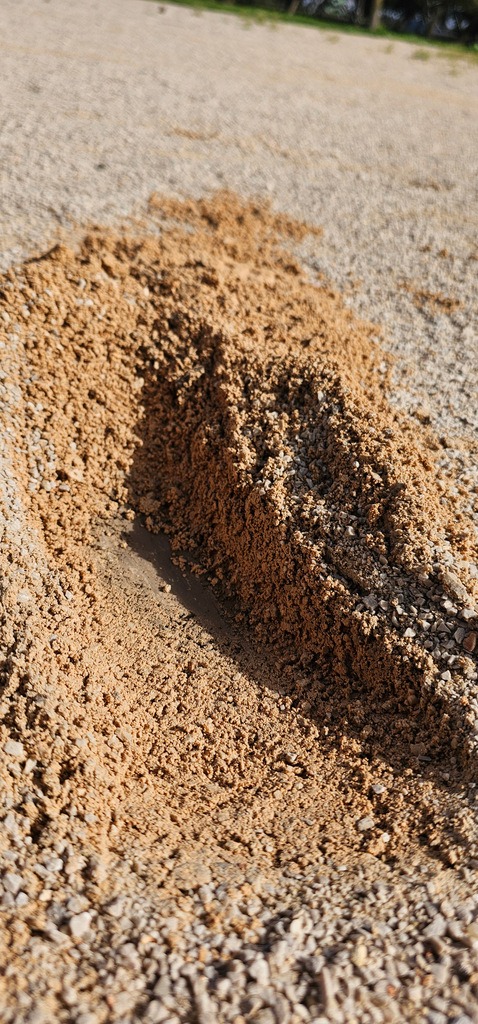
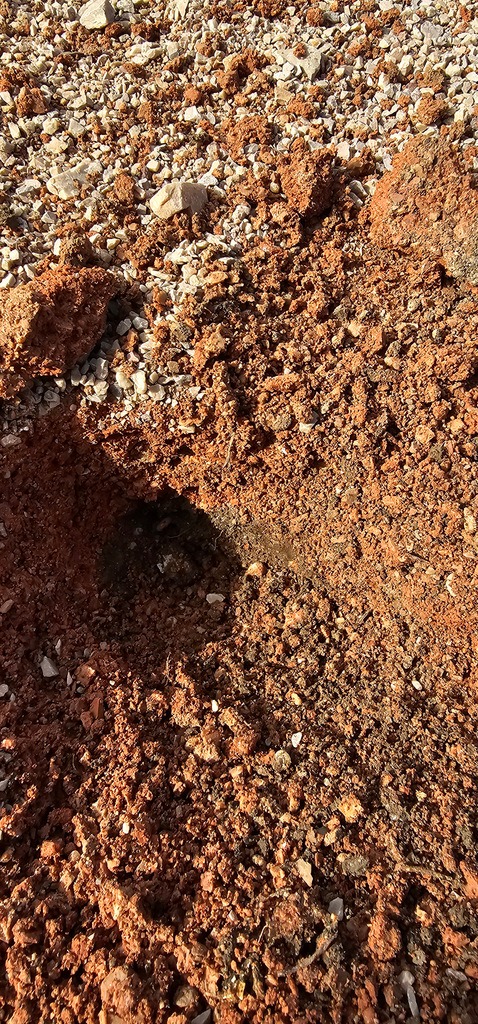
Momentum has commissioned its own inspection at the Ta’Qali picnic area from a local expert. The on-site inspection was carried out, including the excavation of several exploratory holes across the area. The findings confirmed long-standing concerns regarding the condition and composition of the soil.
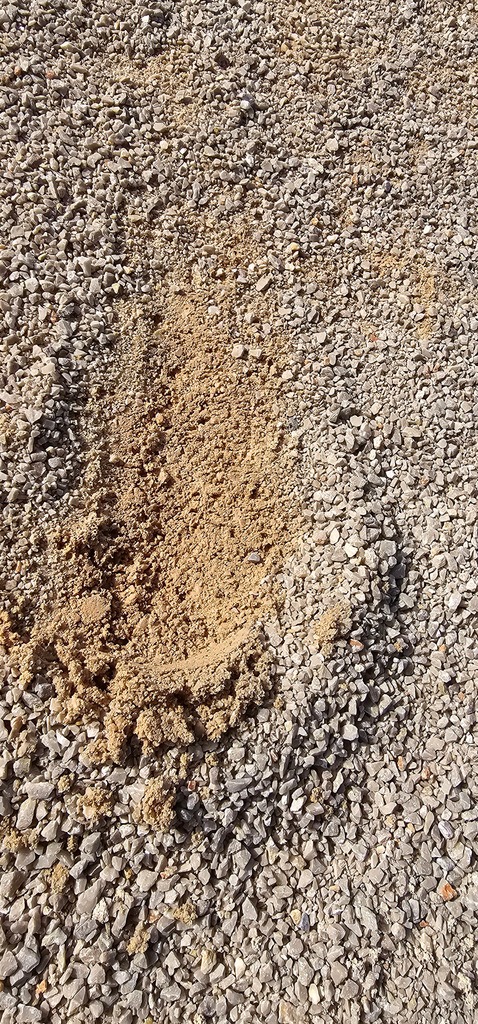
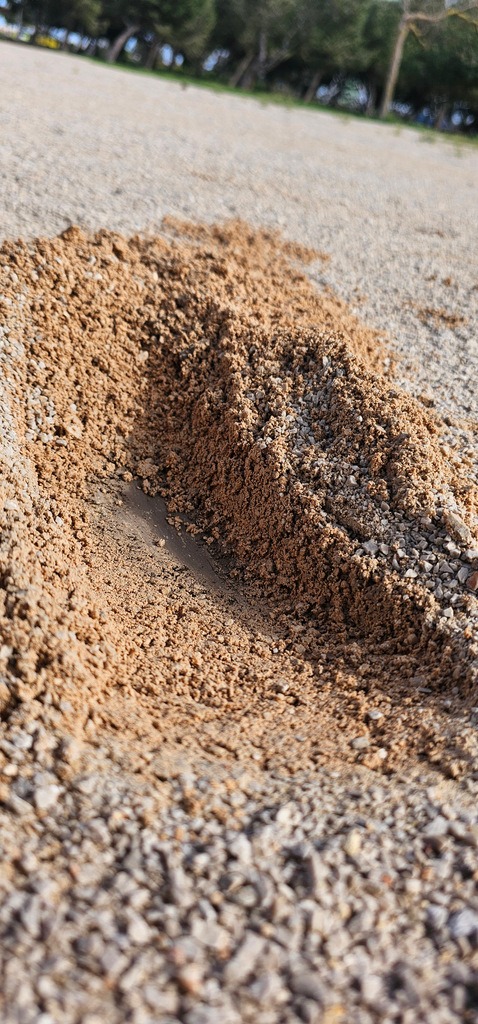
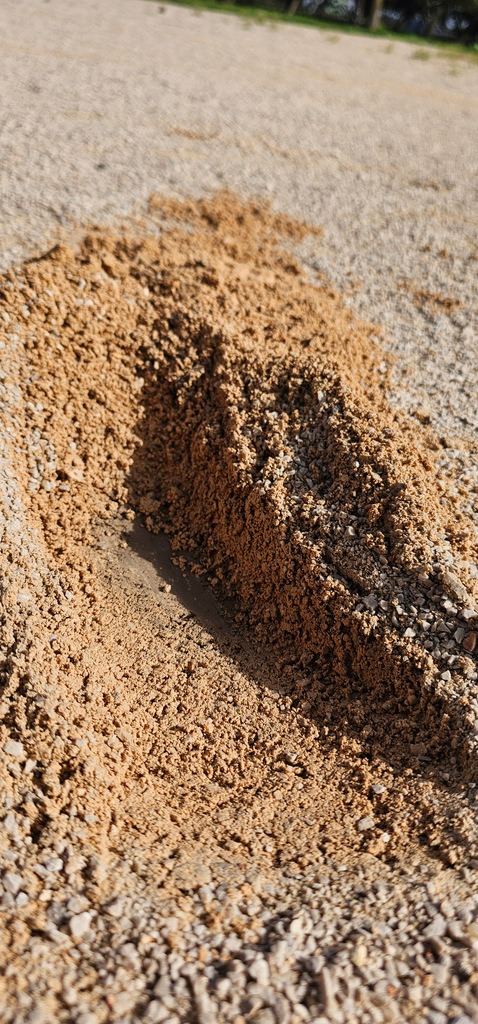
The inspection revealed that the natural soil has been covered by two distinct layers of imported material. The upper layer consists of fine sand, beneath which lies a thin layer of fine gravel. This lower layer is heavily compacted. Such compaction effectively prevents germination, as seeds in the original soil are unable to penetrate the barrier and germinate. Based on professional experience, the only plant known to successfully grow through such a medium is aggressive running bamboo.
Running bamboo is well documented as being capable of forcing its way through tarmac, weak concrete, mortar, and even building foundations by exploiting existing cracks and gaps. While it rarely penetrates sound, thick concrete, its fast-growing rhizomes are capable of causing substantial structural disruption. No other common vegetation would reasonably be expected to grow through the compacted layers observed onsite.
It is therefore concluded that the intervention was deliberately designed to suppress natural grass growth, unless new seeds are later deposited from above. This is consistent with the current situation observed on site.
The level of compaction is such that the soil has become practically impermeable to water, further inhibiting natural regeneration and healthy plant growth.
Measurements indicate that the combined depth of the sand and gravel layers is approximately 10 to 15 centimetres. Given that the affected area measures approximately 22,000 square metres, an even application of a 15-centimetre layer would require an estimated 3,300 cubic metres of material.
If the project cost amounted to 310,000 euros, this equates to a cost of just under 100 euros per cubic metre of sand, a figure that raises serious concerns regarding value for money and procurement practices.
There is also reason to suspect that the gravel used was not intended for landscaping purposes. Instead, it appears to be washed hard stone sand, typically imported for use in concrete production and road construction, due to its resistance to fragmentation. This type of material is not appropriate for soil rehabilitation or park landscaping. The likelihood of its use is further increased by the scarcity of suitable local stone to meet the demands of ongoing construction projects.
Conclusion
The works carried out have rendered the soil unsuitable for natural vegetation, compromised water permeability, and resulted in a landscape that cannot function as a healthy green public space. The evidence strongly suggests intentional suppression of grass growth through the use of inappropriate materials and excessive compaction.
In reaction to these conclusions, Momentum leader Arnold Cassola stated, “Robert Abela, we are providing this expert assessment free of charge. There is no need to spend another 9,000 euros on a further expert. What we demand, however, is that those responsible for ruining the Ta’ Qali family park and misappropriating 310,000 euros return the full amount to the taxpayer and reinstate the entire area at their own expense.”
Spezzjoni esperta tesponi kif Ta’ Qali ġie rvinat apposta
Momentum ikkummissjona l-ispezzjoni tiegħu stess fiż-żona tal-picnics f’Ta’ Qali minn espert lokali. L-ispezzjoni twettqet fuq il-post inkluż skavar ta’ diversi toqob esploratorji fiż-żona kollha. Is-sejbiet ikkonfermaw it-tħassib li ilu jeżisti dwar il-kundizzjoni u l-kompożizzjoni tal-ħamrija.
L-ispezzjoni żvelat li l-ħamrija naturali ġiet mgħottija minn żewġ saffi distinti ta’ materjal importat. Is-saff ta’ fuq jikkonsisti f’ramel fin fejn taħtu hemm saff irqiq ta’ żrar fin. Dan is-saff t’isfel huwa kompatt ħafna. Tali kompattazzjoni effettivament tipprevjeni l-ġerminazzjoni, peress li ż-żrieragħ fil-ħamrija oriġinali la jkunu jistgħu jippenetraw il-barriera u wisq anqas jiġġerminaw. Abbażi ta’ esperjenza professjonali, l-unika pjanta magħrufa li tikber b’suċċess permezz ta’ mezz bħal dan huwa l-bambù, b’mod partikolari dak imsejjaħ “aggressive running bamboo”.
Ir-“running bamboo” ġie ddokumentat kemm-il darba li jippenetra t-tarmak, il-konkrit dgħajjef, it-tajn, u saħansitra l-pedamenti tal-bini billi jisfrutta xi xquq u lakuni eżistenti. Filwaqt li rarament jippenetra konkrit li jkun oħxon u qawwi, ir-riżomi tiegħtal-bambù, li jikbru malajr, huma kapaċi jikkawżaw tfixkil strutturali sostanzjali. L-ebda veġetazzjoni komuni oħra mhi raġonevolment mistennija li tgħaddi u tikber mis-saffi kompatti osservati fuq il-post.
Għalhekk ġie konkluż li l-intervent kien imfassal apposta biex irażżan it-tkabbir naturali tal-ħaxix; dan sakemm ’il quddiem ma jinżergħux żrieragħ ġodda fuq dawn is-saffi. Dan huwa konsistenti mas-sitwazzjoni attwali osservata fuq il-post.
Il-livell ta’ kompattazzjoni huwa tali li l-ħamrija saret prattikament impermeabbli għall-ilma, u dan ikompli jfixkel ir-riġenerazzjoni naturali u t-tkabbir b’saħħtu tal-pjanti.
Il-kejl jindika li l-fond totali tas-saffi tar-ramel u taż-żrar f’daqqa huwa ta’ minn madwar 10 sa 15-il ċentimetru. Minħabba li ż-żona affettwata tkejjel madwar 22,000 metru kwadru, applikazzjoni uniformi ta’ dan is-saff ta’ 15-il ċentimetru tkun teħtieġ madwar 3,300 metru kubu ta’ materjal.
Jekk l-ispiża tal-proġett ammontat għal €310,000, dan ifisser spiża ta’ ftit inqas minn €1,000 għal kull metru kubu ta’ ramel, ċifra li tqajjem tħassib serju dwar il-valur għall-flus u l-prattiki tal-akkwist.
Hemm ukoll tħassib ta’ suspett li ż-żrar użat ma kienx maħsub għal skopijiet ta’ pajsaġġ. Minflok, jidher li huwa ramel tal-ġebel iebes maħsul li tipikament ikun importat għall-użu fil-produzzjoni tal-konkrit u fil-kostruzzjoni tat-toroq minħabba r-reżistenza tiegħu għall-frammentazzjoni. Dan it-tip ta’ materjal mhuwiex xieraq għar-riabilitazzjoni tal-ħamrija jew għall-arkitettura tal-pajsaġġ tal-park. Jaf intuża dan il-materjal minħabba l-iskarsezza ta’ ġebel lokali xieraq biex tiġi ssodisfata d-domanda għall-proġetti ta’ kostruzzjoni li għaddejjin bħalissa.
Konklużjoni
Ix-xogħlijiet imwettqa għamlu l-ħamrija inadegwata għal veġetazzjoni naturali, ikkompromettew il-permeabbiltà tal-ilma, u rriżultaw f’pajsaġġ li ma jistax jiffunzjona bħala spazju pubbliku ekoloġiku b’saħħtu. L-evidenza tissuġġerixxi bil-qawwa t-trażżin intenzjonat tat-tkabbir tal-ħaxix permezz ta’ użu ta’ materjali mhux xierqa u kompattazzjoni eċċessiva.
B’reazzjoni għal dawn il-konklużjonijiet, il-mexxej ta’ Momentum, Arnold Cassola ddikjara, “Robert Abela, qed nipprovdu din il-valutazzjoni esperta mingħajr ħlas. M’hemmx bżonn li jintefqu €9,000 oħra għal espert ieħor. Dak li nitolbu, madankollu, huwa li dawk responsabbli għar-rovina tal-park tal-familja f’Ta’ Qali u t-€310,000 miżapproprjati minn but il-kontribwenti jiġu rritornati u jreġġgħu lura ż-żona għal kif kienet a spejjeż ta’ dawk responsabbli.”
There is hope, you can help!
Join Momentum and build a better Malta. Volunteer, donate, or subscribe today!


1 comment
Comments are closed.